Wedding flowers for Chislehurst Caves ceremonies insider tips
Posted on 09/10/2026
Planning wedding flowers for a ceremony at Chislehurst Caves asks for a slightly different mindset than a standard London venue. The setting is atmospheric, historic, and memorable, but it also brings practical questions: Will the flowers read clearly in low light? How do you stop delicate stems from looking lost in a dramatic space? What should you prioritise if the route, timing, or humidity feels a bit tricky on the day?
This guide on Wedding flowers for Chislehurst Caves ceremonies insider tips is built to answer those questions in plain English. You will find what works best, what to avoid, how to choose arrangements that suit the venue, and how to keep everything calm and coherent from first consultation to the walk down the aisle. Truth be told, with the right floral plan, the caves can look extraordinary.
If you are still comparing flower styles, it can help to browse a few wedding-specific options first, such as wedding collections, bridal bouquets, and table arrangements. That gives you a feel for scale, colour, and finish before you lock anything in.
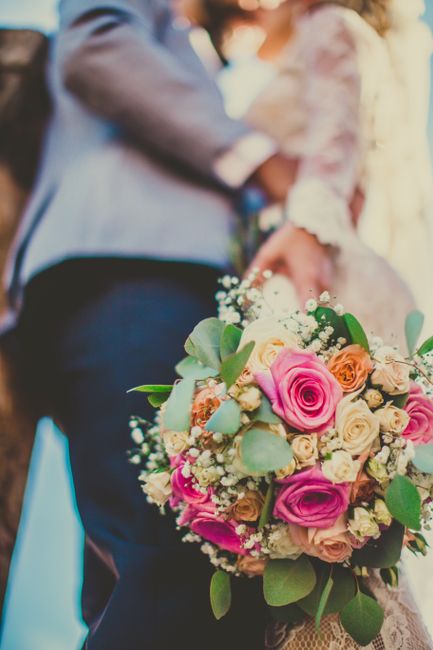
Table of Contents
- Why Wedding flowers for Chislehurst Caves ceremonies insider tips Matters
- How Wedding flowers for Chislehurst Caves ceremonies insider tips Works
- Key Benefits and Practical Advantages
- Who This Is For and When It Makes Sense
- Step-by-Step Guidance
- Expert Tips for Better Results
- Common Mistakes to Avoid
- Tools, Resources and Recommendations
- Law, Compliance, Standards, or Best Practice
- Options, Methods, or Comparison Table
- Case Study or Real-World Example
- Practical Checklist
- Conclusion
- Frequently Asked Questions
Why Wedding flowers for Chislehurst Caves ceremonies insider tips Matters
Chislehurst Caves is not a blank white wedding room. That is exactly why people love it, and exactly why floral decisions matter more than usual. In a venue with textured walls, lower ambient light, and a strong sense of place, flowers need to do more than simply look pretty. They need to create definition, soften the environment, and show up well in photographs.
A bouquet that looks lovely in a bright shop can behave very differently underground. Pale petals may need stronger contrast. Fine, wispy designs may disappear a little. Oversized arrangements can feel heavy or clumsy if the space already has visual drama. You do not need to fight the venue. Better to work with it.
That is the heart of these insider tips: choose flowers and styling choices that suit the space rather than trying to force a one-size-fits-all wedding look. When that happens, the room feels intentional. Guests notice it, even if they cannot quite say why.
Expert summary: For Chislehurst Caves, the best wedding flowers are usually clear in shape, strong in silhouette, and carefully balanced between romance and practicality. The goal is not maximum volume; it is maximum effect in a distinctive environment.
One more thing. This venue has personality. If the flowers are too generic, they can look a bit borrowed. If they are chosen with the cave setting in mind, they feel rooted in the moment, which is what you want, really.
How Wedding flowers for Chislehurst Caves ceremonies insider tips Works
The process is straightforward, but the sequence matters. Start with the venue conditions, then design the flowers around them. That sounds simple, and in practice it usually is, but many couples do the reverse and begin with a Pinterest board full of airy garden bouquets. Nice idea, sometimes not the best fit.
Here is how the planning usually works in a practical sense:
- Assess the space. Consider the lighting, entry points, aisle width, and any surfaces where flowers may be displayed.
- Choose the floral job. Decide whether the flowers are mainly for the bouquet, ceremony focal point, aisle accents, table styling, or all of the above.
- Select the palette. Pick colours that will read clearly against darker or textured surroundings.
- Match scale to the room. Use arrangements that are large enough to be seen, but not so large they dominate the ceremony.
- Plan transport and timing. Underground or semi-enclosed venues can be less forgiving if arrangements arrive too early or too warm.
- Confirm setup logistics. Work out where each piece goes and who is responsible for placing it.
That last step is where things often go sideways. A beautiful bouquet is only half the story. If the ceremony flowers are not positioned well, they lose half their impact. Simple as that.
For couples who want a cohesive look, a matched wedding set can be useful. A coordinated range such as a wedding collection or specific pieces like bridal bouquet and bridesmaid bouquet can keep the style consistent without making everything feel identical.
Key Benefits and Practical Advantages
Good flower choices do more than decorate a ceremony. They solve problems. They frame the couple, calm the visual noise, and help the venue feel more personal. That is especially helpful in a setting that already has strong character.
- Better photos: Flowers with stronger shape and clear colour contrast stand up well in lower light and textured surroundings.
- More polished styling: Coordinated bouquets, buttonholes, and table pieces make the whole ceremony feel intentional.
- Less stress on the day: A simplified floral plan is easier to deliver, carry, and place.
- Flexible design options: You can go classic, romantic, modern, or slightly wild without clashing with the venue.
- More value from each stem: In a dramatic setting, well-chosen flowers can have a bigger visual effect than larger but less suitable arrangements.
There is also a subtle emotional benefit. Guests walk into a cave ceremony and expect atmosphere. The flowers can soften that first impression and turn it into warmth rather than spectacle. That matters. It really does.
If you are balancing budget and style, a thoughtful option like florist choice or a more considered luxury flowers approach can help you choose where to spend and where to simplify.
Who This Is For and When It Makes Sense
This approach is ideal for couples who want wedding flowers that feel tailored to Chislehurst Caves rather than lifted from a standard church, hotel, or barn wedding. It is also useful if you are working with a smaller guest list, planning a ceremony-first celebration, or simply want the setting to do more of the visual heavy lifting.
It makes sense if:
- you want the flowers to photograph well in a darker or atmospheric space;
- you are thinking about how the aisle, entrance, and ceremony table will look together;
- you need arrangements that are practical to transport and set up;
- you want a wedding style that feels romantic without being overdone;
- you are planning with a realistic budget and need each arrangement to earn its place.
It may matter less if you are adding very little floral decoration and focusing more on candles, lighting, or other styling. Even then, the bouquet and buttonholes still need to work with the environment, because, let's face it, the couple is usually in most of the photos.
For bridesmaids, matching styles can be helpful without becoming too rigid. Options such as a bridesmaid bouquet style or a softer choice like white bridesmaid bouquet can keep the group cohesive and easy to carry.
Step-by-Step Guidance
If you are planning from scratch, here is a sensible order that keeps things tidy and avoids last-minute panic. No one needs extra drama on wedding week. Enough already.
1. Start with the venue conditions
Look at the space at the time of day your ceremony will happen. Lighting changes. Colours shift. What looks fresh at noon may feel far moodier at 4 pm. Note where the eye naturally lands when you enter the room.
2. Decide on the floral priority
Ask what the flowers must do. Are they mainly for your bouquet? The aisle? The signing table? The backdrop? If everything is a priority, nothing is. It is better to make two or three strong decisions than six weak ones.
3. Pick a colour story
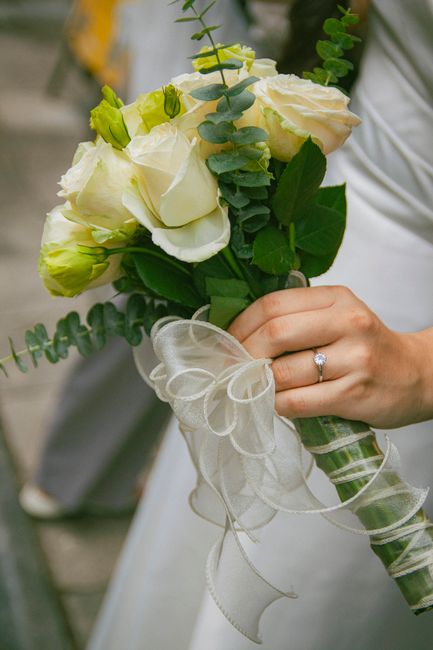
For cave ceremonies, many couples lean toward white, cream, blush, soft pink, dusky purple, or richer tones with depth. Stronger colour can help in low light. That said, if your dress, suit, or decor already has a bold presence, a quieter palette can be the smarter move.
4. Choose flowers with sturdy structure
Roses, lisianthus, orchids, carnations, hydrangeas, and alstroemeria can all work well depending on the look you want. Not every stem needs to be ultra-fragile to feel romantic. In fact, some of the most elegant wedding designs rely on sturdy blooms that hold shape beautifully.
5. Build in practical transport sense
Ask how the flowers will be stored, delivered, and handed over. If a design is large or delicate, check how it will travel. This is one of those boring questions that saves you a headache later. Very boring, very useful.
6. Confirm buttonholes, bridesmaid flowers, and table pieces
Small items matter in a venue like this because they knit the whole styling story together. A coordinated buttonhole can pull the groom's look into the same palette as the bouquet, and table arrangements keep the reception from feeling detached from the ceremony.
7. Do a final walk-through
Right before the day, confirm where each arrangement goes and who handles it. If you have a wedding planner, venue contact, or trusted family member helping, make sure they know the plan clearly. One person should be in charge, not three people improvising.
Expert Tips for Better Results
Now for the insider part. These are the details that tend to make the biggest difference and, oddly, are often the most overlooked.
- Choose contrast, not just beauty. A bouquet needs to stand out against the venue backdrop. Pale flowers can be lovely, but they sometimes need darker foliage or a stronger shape to avoid blending in.
- Use texture carefully. Textured flowers add depth, but too many fine details can disappear in lower light. Mix structure with softness.
- Keep one focal moment. Maybe it is the bridal bouquet. Maybe it is the ceremony arrangement. Let one thing lead, rather than asking every flower to shout.
- Think in photos, not just in person. A flower that reads beautifully from the front may look flat from above or in flash photography. Your florist should be able to talk through this.
- Do not overscent the space. Strong fragrance can be lovely, but in an enclosed venue it can become a bit much. Subtle often wins.
- Use seasonality as a guide. Seasonal flowers usually travel better, look fresher, and fit the budget more naturally. You do not need every stem to be exotic.
A small real-world observation: couples often fall in love with one statement flower and then realise it is awkward to source consistently. Happens all the time. Keep an open mind and ask for alternatives that keep the same feel, not just the same name.
If your style leans toward romantic and polished, designs such as white rose wedding arrangement, roses and lisianthus wedding arrangement, or white lily, rose and orchid centrepiece can give you that refined look without feeling stiff.
Common Mistakes to Avoid
Here is where many couples trip up. None of these are disasters on their own, but together they can make the flowers feel underwhelming or awkward.
- Choosing flowers without considering light. A pale bouquet may vanish in the wrong conditions.
- Going too large too soon. Big arrangements can overwhelm the cave atmosphere if they are not well balanced.
- Ignoring transport time. Flowers that sit around too long, especially in warm cars or cramped storage, can suffer.
- Forgetting buttonholes and smaller details. These are easy to overlook and then suddenly feel urgent on the morning.
- Mixing too many styles. If the bouquet is modern, the table pieces should not feel like a completely different wedding.
- Not checking setup access. A beautiful arrangement is only useful if it can be placed where it needs to go.
There is also a social mistake people sometimes make: trying to please every single opinion. Mum likes classic roses, the maid of honour loves wild meadow flowers, someone else wants orchids. Fair enough, but the final look needs one clear voice.
When in doubt, simplify. A tidy design beats a busy one more often than people expect.
Tools, Resources and Recommendations
You do not need a complicated toolkit, but you do need a few practical supports. A good florist should help with the details, yet it is smart to have your own notes too.
- Venue notes: Make a simple document listing ceremony time, access points, and any display areas.
- Colour reference photos: Gather a small selection, not fifty. Three to five strong images are enough.
- Dress and suit images: These help the florist judge contrast and overall balance.
- Guest count: Useful for table styling and boutonniere planning.
- Budget bands: Even rough guidance helps prioritise where the money should go.
- Backup contact list: Keep a couple of names and numbers for the day itself.
If you want to stay within a clearer budget frame, you can compare more economical options such as cheap flowers or budget ranges against a more premium finish. That comparison often makes decision-making much easier, to be fair.
For items that need to stay fresh or arrive at a set time, it also helps to understand ordering and delivery expectations. Pages like delivery information, guarantees, and flower care can be useful for planning the practical side, especially if you are arranging several pieces across one day.
Law, Compliance, Standards, or Best Practice
For wedding flowers, there is usually no special legal paperwork attached to the blooms themselves, but good practice still matters. The main points are practical and safety-related rather than formal or regulatory in the dramatic sense people sometimes imagine.
First, if flowers are being installed in a venue like Chislehurst Caves, check venue rules about access, timings, flame alternatives, adhesives, stands, and removable decorations. Historic or unusual spaces often have their own handling requirements. That is normal.
Second, if anyone in the wedding party has allergies, it is sensible to choose with care. Strongly scented flowers, pollen-heavy stems, or very dusty foliage may not be ideal in a compact indoor setting.
Third, ask about sustainability and waste. Many couples now prefer arrangements that can be reused, repurposed for the reception, or taken home by guests. That is not a legal requirement, obviously, but it is increasingly considered good practice.
Finally, work with clear written confirmation. Even a simple summary email noting flower types, delivery time, quantities, and setup points can prevent confusion. Not glamorous, but very useful.
If you want to know more about the business side of ordering and service expectations, you can also review terms and conditions, privacy policy, and payment information.
Options, Methods, or Comparison Table
Below is a simple comparison of common wedding flower approaches for a cave ceremony. It is not about right or wrong. It is about fit.
| Option | Best for | Strengths | Possible drawback |
|---|---|---|---|
| Soft romantic palette | Classic, elegant ceremonies | Feels timeless, flattering in photos | May need stronger contrast in darker light |
| Bold tonal palette | Couples wanting visual impact | Reads well in atmospheric spaces | Can dominate if not balanced carefully |
| Minimal floral styling | Budget-aware or understated weddings | Clean, easy to manage | May feel too sparse without strong surrounding decor |
| Full coordinated set | Highly styled weddings | Creates a cohesive look across bouquet, table, and attendants | Needs stronger planning and more setup time |
A useful middle ground is usually a coordinated bouquet, a few buttonholes, and one focal ceremony piece. It gives the room enough structure without overloading the space. That balance is often the sweet spot.
Case Study or Real-World Example
Imagine a couple planning a late-afternoon ceremony at Chislehurst Caves. They originally wanted a very pale bouquet, loose trailing greenery, and several large arrangements at the front. On paper, it sounded lovely. In the venue, though, the flowers risked disappearing against the darker surroundings.
After reviewing the space, they adjusted to a tighter palette: cream roses, blush tones, a little orchid detail, and richer foliage for outline. The bridal bouquet stayed elegant but read more clearly in photographs. The ceremony piece became more compact and focused, while the bridesmaid bouquets echoed the same palette in a smaller scale. Buttonholes matched the tone rather than copying the bouquet exactly.
The result? The room felt softer, but not cluttered. The flowers looked like they belonged there. Guests noticed the cohesion, and the photos held their shape beautifully. Nothing fussy. Nothing shouty. Just very well judged.
That is usually the lesson with this venue: respect the atmosphere and the flowers become stronger, not weaker.
Practical Checklist
Use this checklist before confirming your wedding flowers for Chislehurst Caves. It is simple, but it catches the usual blind spots.
- Have you seen the ceremony space at the time of day your wedding will happen?
- Do your chosen flowers show up clearly against the venue backdrop?
- Have you decided which pieces are essential and which are optional?
- Are bouquet, buttonholes, bridesmaid flowers, and table pieces visually connected?
- Have you confirmed delivery timing and access arrangements?
- Have you checked for scent sensitivity or allergy concerns?
- Will any flowers need to be reused after the ceremony?
- Have you given the florist your dress, suit, and colour references?
- Have you confirmed who will place each arrangement on the day?
- Do you have a backup contact in case timing changes?
If you can tick most of those off, you are in good shape. If not, no panic. Just tighten up the plan before the week of the wedding. That's the calm route, and honestly the best one.
Conclusion
Wedding flowers for a Chislehurst Caves ceremony work best when they are designed for the space, not simply dropped into it. Think contrast, scale, timing, and cohesion. Keep the styling purposeful. Let the venue breathe. Choose flowers that support the atmosphere instead of competing with it.
The best insider tip? Keep one clear vision and make every floral choice serve that vision. When you do that, the bouquet, ceremony pieces, and smaller details all start working together, and the whole setting feels more personal, more elegant, and a lot less stressful. Which, on a wedding day, is gold.
If you are still shaping your ideas, explore the wedding-focused ranges, compare a few bouquet styles, and narrow the plan to what truly suits the venue. A good florist can make that process feel surprisingly easy.
Get a free quote today and see how much you can save.
And if you want a final bit of reassurance: the right flowers do not just decorate a ceremony. They help tell the story of it. That part stays with people.
Frequently Asked Questions
What flowers work best for a Chislehurst Caves wedding ceremony?
Flowers with clear shape and reliable structure tend to work best, such as roses, orchids, lisianthus, carnations, hydrangeas, and mixed seasonal arrangements. In a darker or more atmospheric space, it helps if the blooms have enough contrast to stand out in both person and photographs.
Should I choose light or dark colours for cave wedding flowers?
Both can work, but the key is contrast. Very pale flowers may need darker foliage or a stronger arrangement shape, while deeper colours can look wonderful if the room already has plenty of texture. The best choice depends on your dress, lighting, and the exact styling of the ceremony area.
Do I need a large floral display for Chislehurst Caves?
Not necessarily. One strong focal piece, a well-made bouquet, and a few supporting arrangements can be enough. In fact, too much floral volume can feel heavy in a venue that already has plenty of visual personality.
How far in advance should I book wedding flowers?
It is wise to book as early as possible, especially if you want a coordinated wedding collection or a specific seasonal flower. Early planning also gives you time to refine the palette and sort the practical details without rushing.
Can I use scented flowers in an indoor cave setting?
Yes, but with care. Light fragrance can be lovely, though strong scents may feel overwhelming in a more enclosed space. If anyone has allergies or sensitivity, it is sensible to keep fragrance subtle.
What if my bouquet needs to travel a long distance before the ceremony?
Then sturdier blooms and careful packing become even more important. Ask how the bouquet and arrangements will be stored, transported, and handed over. Timing matters more than people think, especially for delicate stems.
Are buttonholes and bridesmaid bouquets worth including?
Usually, yes. They help tie the whole look together and make the wedding feel more coordinated. Even small floral pieces can have a big visual impact, especially in photos.
How can I keep wedding flowers within budget?
Focus on one or two high-impact pieces, use seasonal flowers where possible, and simplify any areas guests will not see closely. Comparing budget ranges with more premium options can also help you decide where to invest.
What should I tell the florist about the venue?
Share the ceremony time, lighting conditions, access details, and any known venue restrictions. Photos of the space, your outfit, and your colour ideas are helpful too. A florist can work much more confidently with that information.
Can wedding flowers be reused after the ceremony?
Often, yes. Table arrangements can sometimes move to the reception, and bouquets or smaller pieces can be reused for photos or gift-giving. It is worth planning for this early so the setup supports it.
Is a wedding collection better than choosing flowers one by one?
It depends on how much control you want. A collection can make coordination easier and keep the styling consistent, while picking individual items gives you more flexibility. For many couples, a collection provides a useful middle ground.
What is the biggest mistake couples make with cave wedding flowers?
The most common mistake is ignoring the venue's atmosphere and choosing flowers that look beautiful in isolation but do not work well in the space. If you design for the setting first, the whole result usually feels much stronger.